Last Updated:
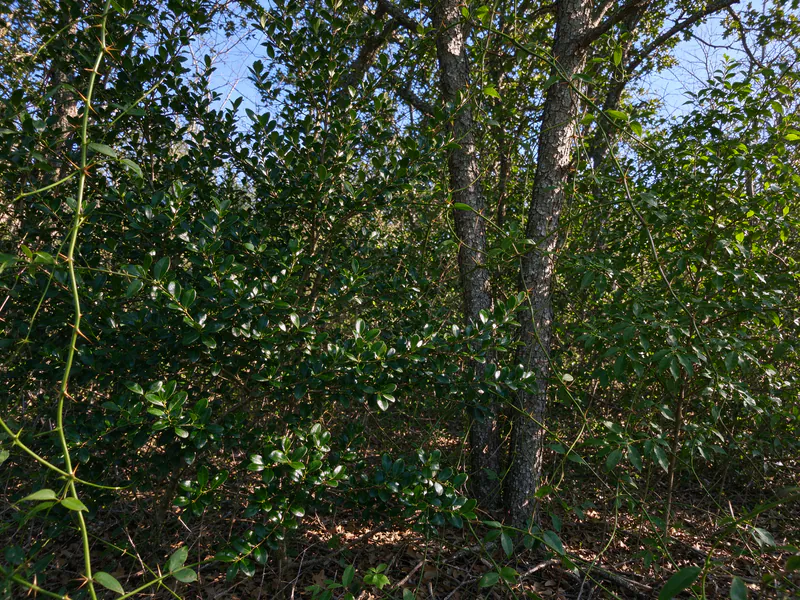
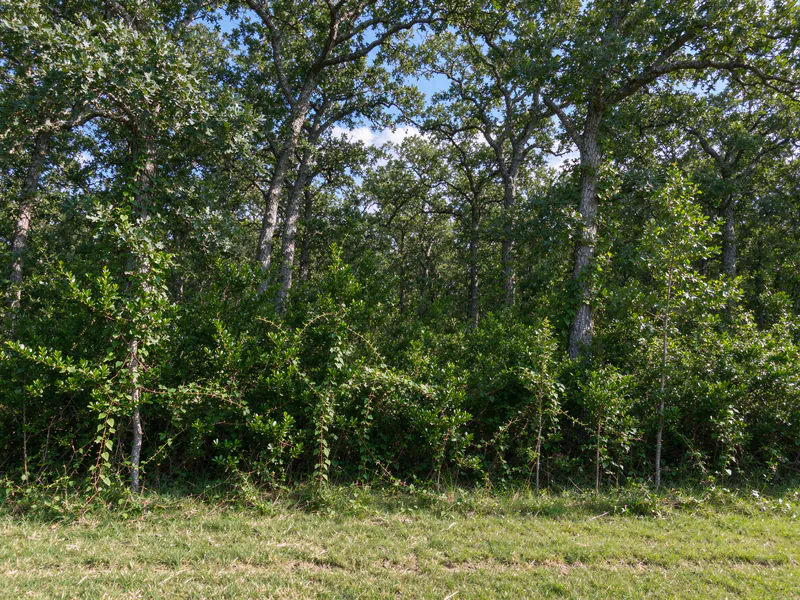
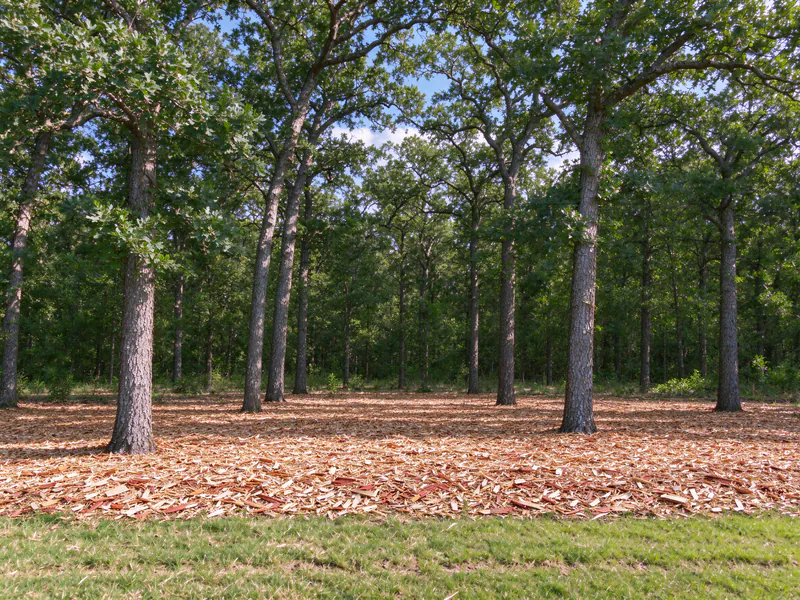
Post Oak Land Clearing Denton offers and manages brush clearing across Denton and the west and north of Denton County, with the work done by licensed and insured contractors. Brush clearing takes out the woody understory, the yaupon, greenbrier, privet, vines and saplings that close up a lot or a woods, and normally leaves the larger trees standing. Cutting the brush down is the easy half. The real decision is what happens to the roots, because most brush species grow back from whatever stays in the ground.
What happens on the first visit
The first visit identifies what is growing, how big it is and how finished you want the ground to be. Species matters most, because the method follows the plant: greenbrier, privet and yaupon each come back in a different way. Stem size comes next, since a brush cutter that handles saplings stalls on a trunk.
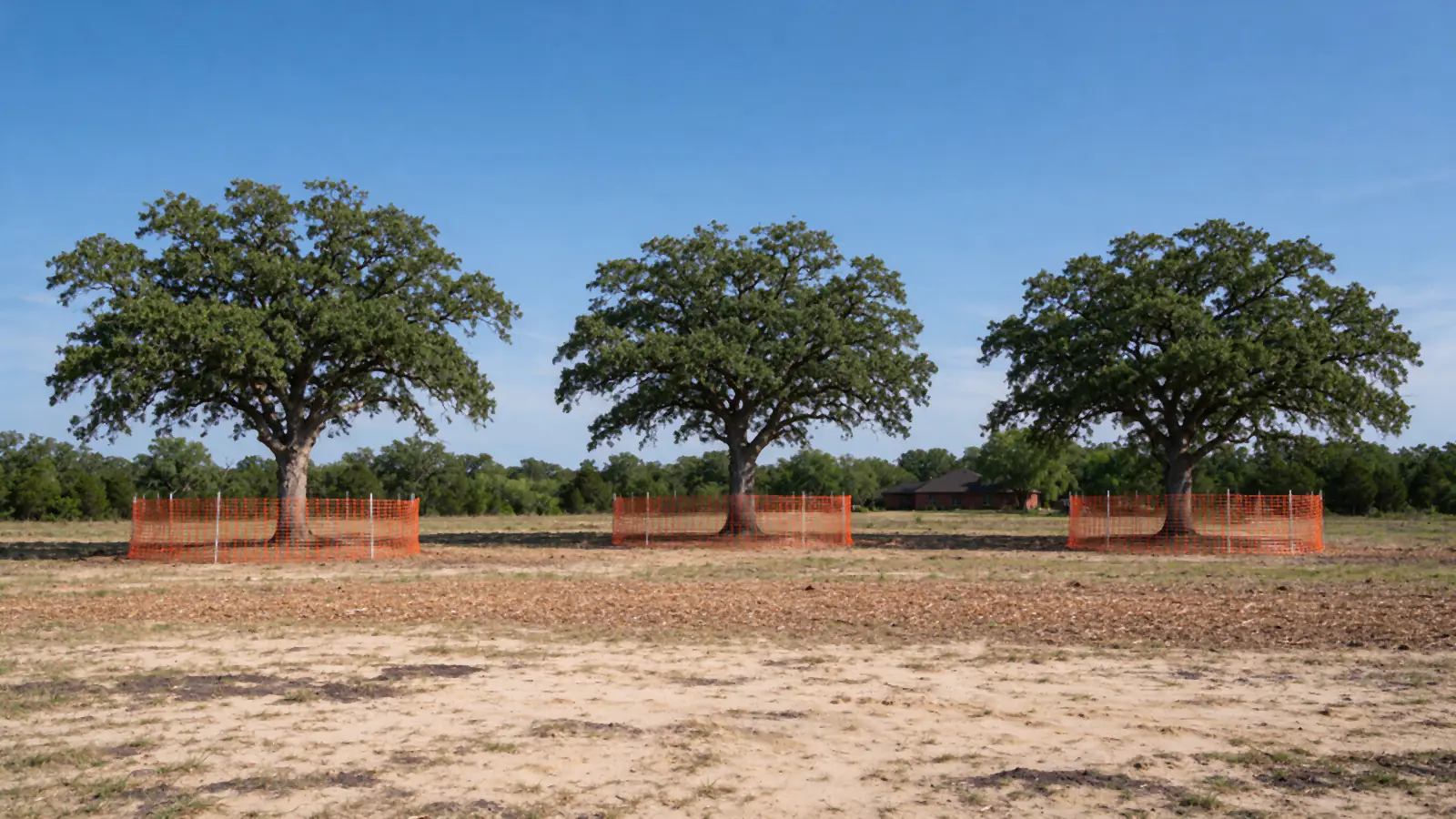
Expect questions about end use. A yard that will be mowed, a woods you want to walk through and a fence line you want to see down are three different finish levels, and they price differently. The walk also looks for wire, old fencing and trash in the growth, marks the trees that stay, and checks for creeks, wet ground and slopes where soil has to stay covered. Inside Denton city limits it settles whether the job counts as routine yard maintenance or as clearing that needs a permit.
Cut, mulch or grub: three ways to take brush down
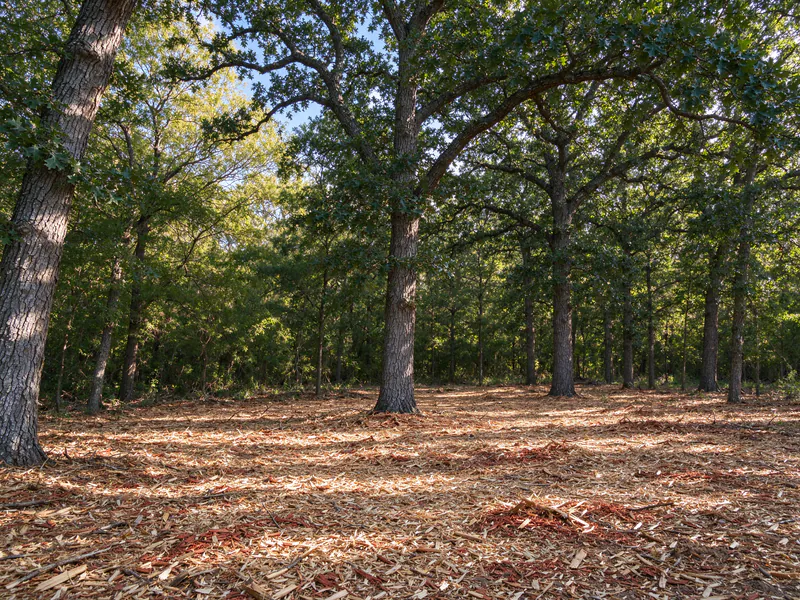
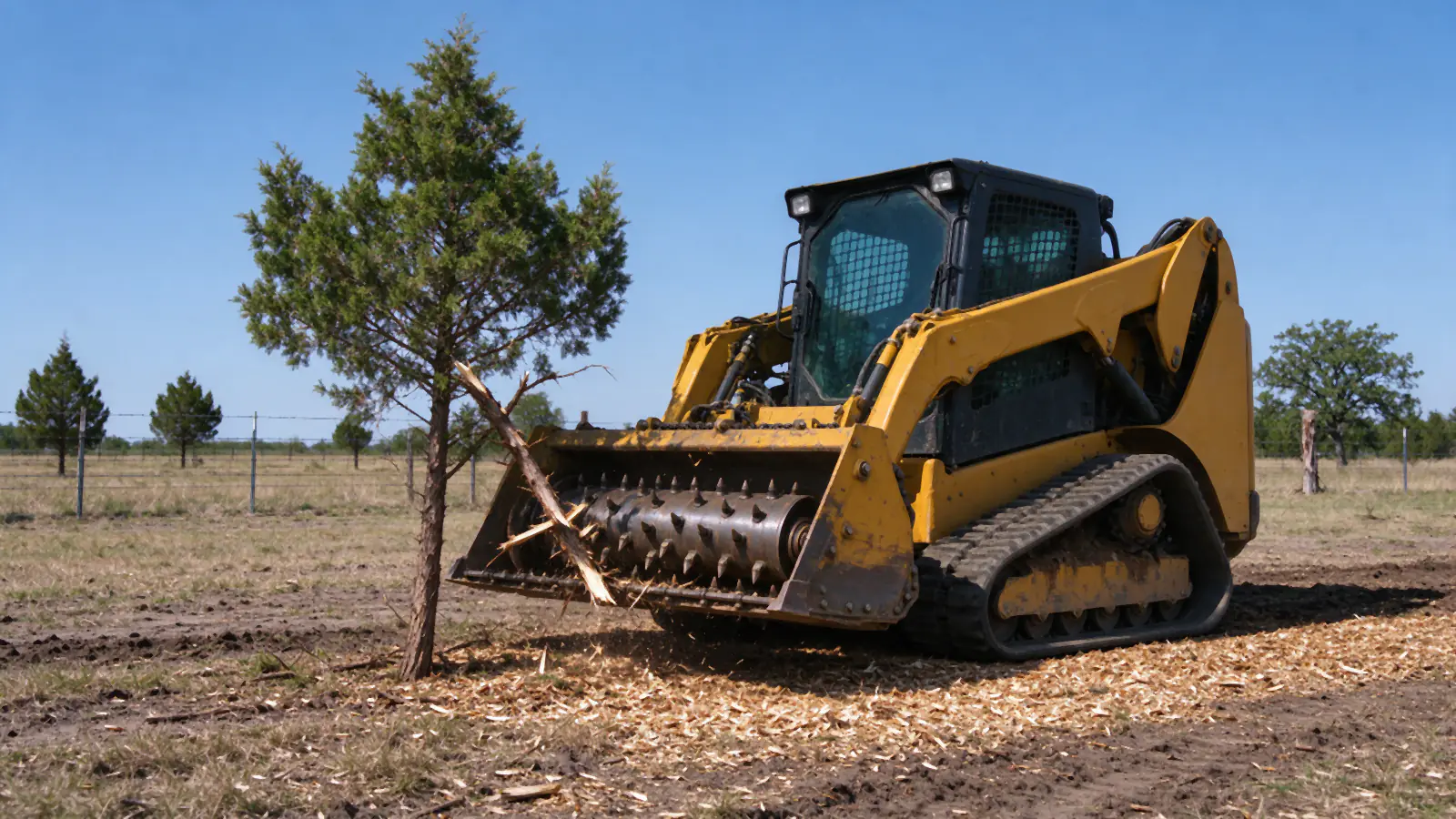
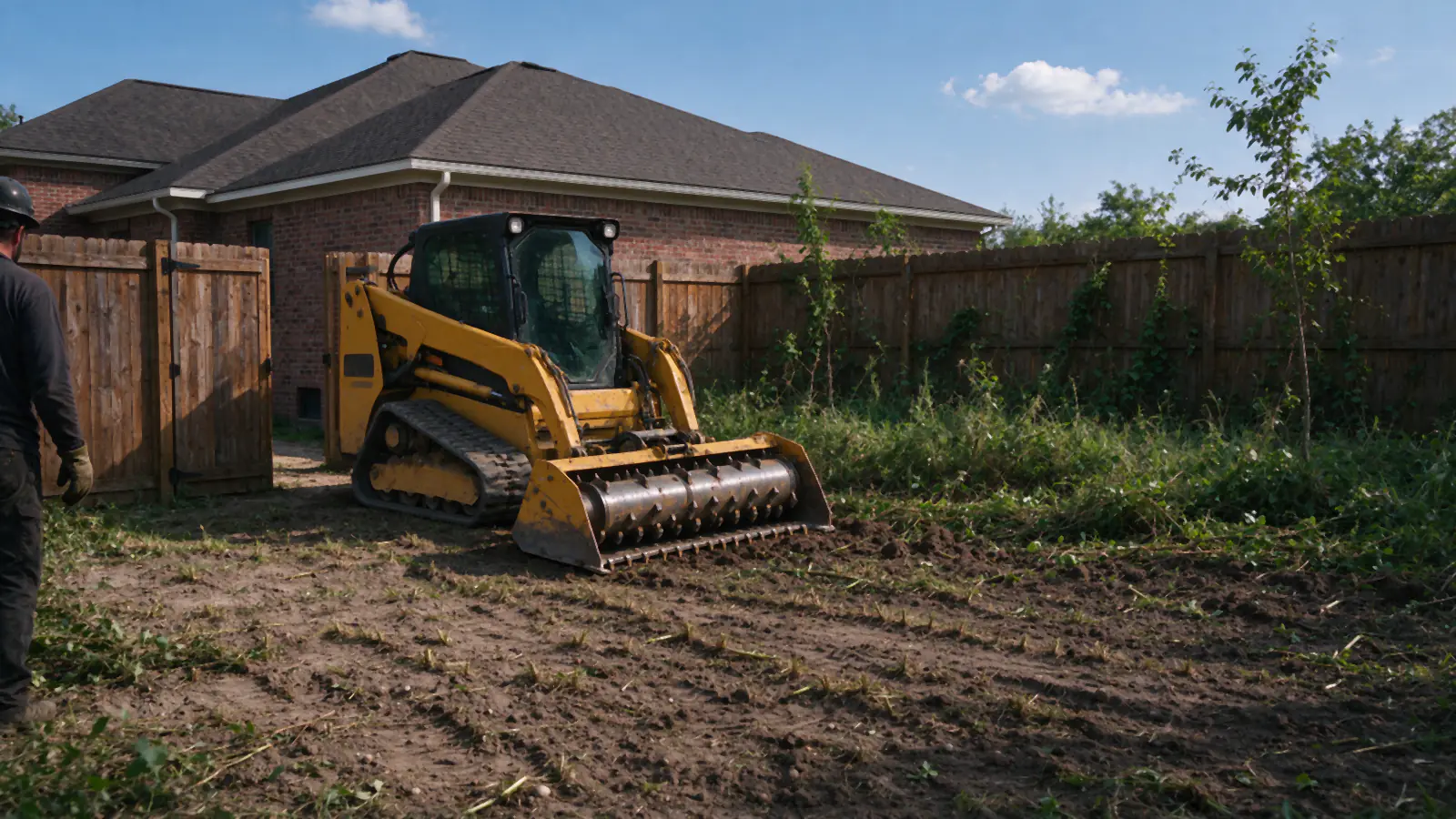
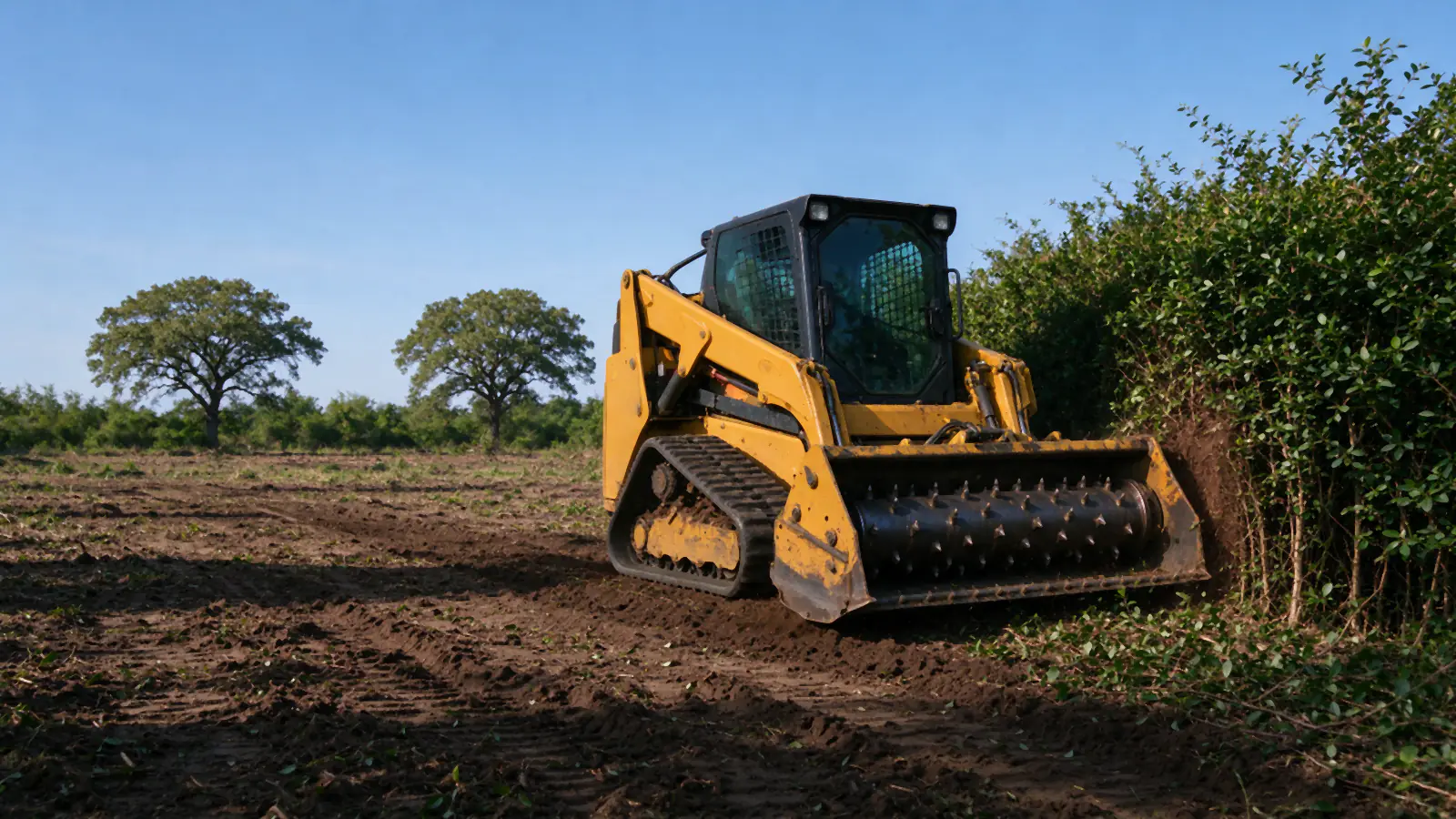
Brush comes down one of three ways. A brush cutter severs stems and leaves them lying. A mulching head grinds stems and spreads the chips. A root rake or excavator pulls the root crowns out. The first two leave roots alive and soil covered; the third removes roots and opens the soil.
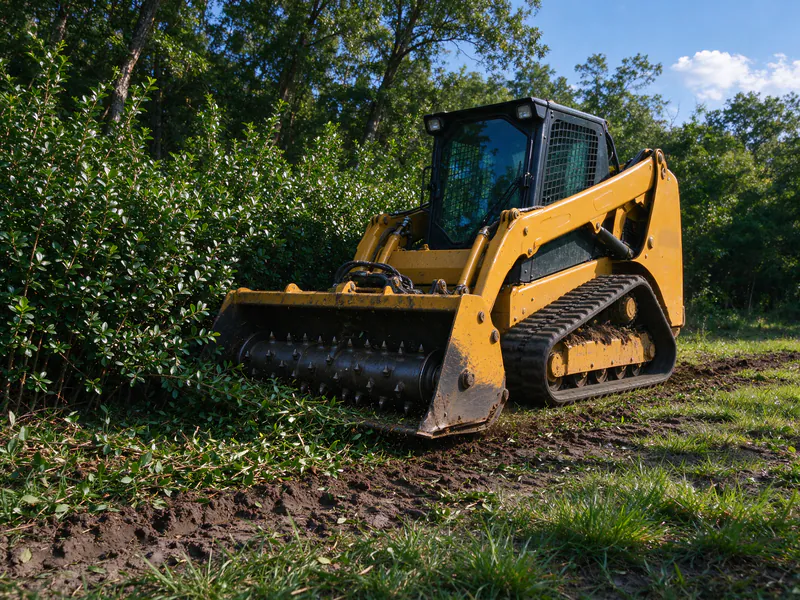
On residential lots and small acreage, the common carrier is a compact track loader or skid steer with an attachment on the front. With a rotary brush cutter, it mows down saplings and vines quickly, but the cut material stays on the ground to be raked, piled or hauled. With a mulching head, the same machine leaves a chip layer instead, which is why forestry mulching is often the answer for thicker brush or ground that must stay covered. Rubber tracks spread the machine’s weight better than tires, which matters on Denton’s group D clays; on saturated clay even tracks rut, and ruts on clay dry into ridges.
Grubbing is a different job with different consequences. Pulling crowns opens the soil, so erosion control follows, any digging 16 inches or deeper needs a Texas811 locate at least 48 hours ahead, and inside Denton the work falls under the clearing and grading permit once it passes 2,000 square feet or 25 cubic yards of disturbance. It belongs where roots cannot stay, such as a lawn being rebuilt, a garden, or the footprint of a pad or driveway on a cleared lot, and that work is priced as clearing and grubbing.
Some ground stays with hand crews and saws: creek banks, fence lines with wire grown into the brush, the area around keeper trunks, and slopes where a machine would tear up the surface. Hand work is slower, which is why it is limited to where it earns its cost.
Why brush comes back, species by species
Whether brush returns depends on what the plant can regrow from. Removing the top of a resprouting species is a setback for it, not a kill. Plants that sprout from root crowns, spreading roots or underground tubers come back after cutting or mulching. Seedlings that cannot resprout stay gone once cut low, though their seed keeps arriving.
Yaupon. This evergreen holly sprouts from its root crown and from roots running sideways underground. A single cut stem tends to return as a cluster, and a thicket that is mowed once often comes back denser. Removing the crown, mowing the regrowth repeatedly, or a label-directed stump treatment arranged as a follow-up is what wears it down.
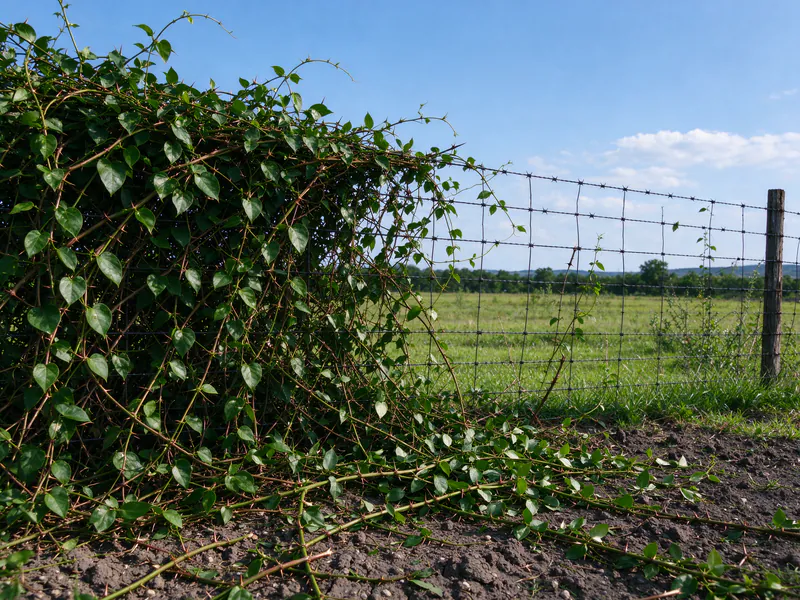
Greenbrier. Its vines grow from woody tubers below the surface. A mower or mulcher clears the tangle, but the tubers send new canes up the next spring. Digging or raking the tubers out is the permanent fix in a yard; in woods, cutting it back for a few seasons running weakens it.
Chinese privet. Privet resprouts from cut stumps and roots, and birds spread its fruit, so new plants keep arriving from outside the cleared area. City of Denton staff documented privet along the full length of a Pecan Creek tributary, and the approved plan there was a privet removal program with a 95% eradication goal over 3.52 acres of creek buffer. Even with a formal plan, the target was not 100%, which is a fair picture of how privet behaves.
Hardwood saplings. Young elm, hackberry, honey locust and mesquite sprout from the stump when cut above the root crown. Cut low and mowed for a season or two, most give up; mesquite and honey locust are the stubborn ones. Cedar cut below its lowest green branch is the exception, since it has no way to resprout, as covered on cedar clearing.
The practical result is a maintenance target agreed up front. “Mowable” means stems cut low and a mowing schedule afterward. “Root-free” means grubbing in the areas that need it. The regrowth guide covers the first-year schedule, and when to clear land in North Texas covers timing.
Not sure what your brush will do?
Send a few close photos of the leaves and stems. The walk-through names the species and the finish that fits.
Brush along creeks and in protected areas
Brush along a Denton creek is regulated more tightly than brush in a yard. Inside city limits, the Development Code prohibits tree and understory removal in riparian buffers and in undeveloped floodplain, and allows invasive-species removal there only with Environmental Services approval. Riparian buffers run 50 feet from the stream for channels draining 1 square mile or less and 100 feet for larger ones.
That rule shapes the method. Privet in a creek buffer can come out under an approved plan, cut by hand or with light equipment, stems treated or recut as resprouts appear, and roots left so the bank keeps its soil. Grubbing a creek bank, or clearing native understory along it, is not on the table without the city’s sign-off. The creeks and floodplains guide explains how to tell whether a lot is affected. Away from water, ordinary maintenance and landscaping on a home lot sit outside Denton’s definition of land-disturbing activity, while brush clearing on undeveloped land past the size threshold needs the clearing and grading permit, currently $453. Mesquite and honey locust are unprotected trees, so thickets of them carry no tree mitigation.
What brush clearing costs around Denton
Typical North Texas ranges run $1,500 to $3,500 an acre for light brush, briars and saplings, and $2,500 to $4,500 an acre for moderate brush mixed with trees up to about 8 inches. Grubbing, hauling and hand work are added only where the job needs them.
For a public benchmark, a Texas Department of Transportation contract for 33 acres of roadside brush removal in Denton County drew bids of $1,360 to $2,000 an acre, with a low bid of $1,590. Highway right-of-way is large, open and reached straight from the pavement, so that is a floor for open brush rather than a homeowner rate; dense brush on a fenced lot usually costs more. At the light end, the Texas A&M AgriLife custom rate survey puts pasture shredding at about $40 an acre in its East region, which includes Denton County, and that figure fits open pasture that a tractor can mow, not saplings; see brush hogging.
Labor is a smaller share of the bill than people expect. The U.S. Bureau of Labor Statistics puts the mean wage for landscaping and groundskeeping workers in the Dallas-Fort Worth metro at $19.09 an hour, against $20.33 nationally, and for tree trimmers and pruners at $20.40 against $26.91. A wage is not a billing rate: the billed rate also carries insurance, machines, fuel, trailers and overhead, and on most brush jobs the machine hour is the larger part.
What moves a brush price is the density, the stem sizes, how much grubbing the finish level needs, whether debris is mulched or hauled, hand work along fences and creeks, access, wet clay and buried wire. The cost per acre guide breaks those down, and clearing land yourself vs hiring helps with the rent-a-machine question. For brush under trees you plan to keep, see selective clearing; for overgrown in-town yards, see overgrown lot clearing.