
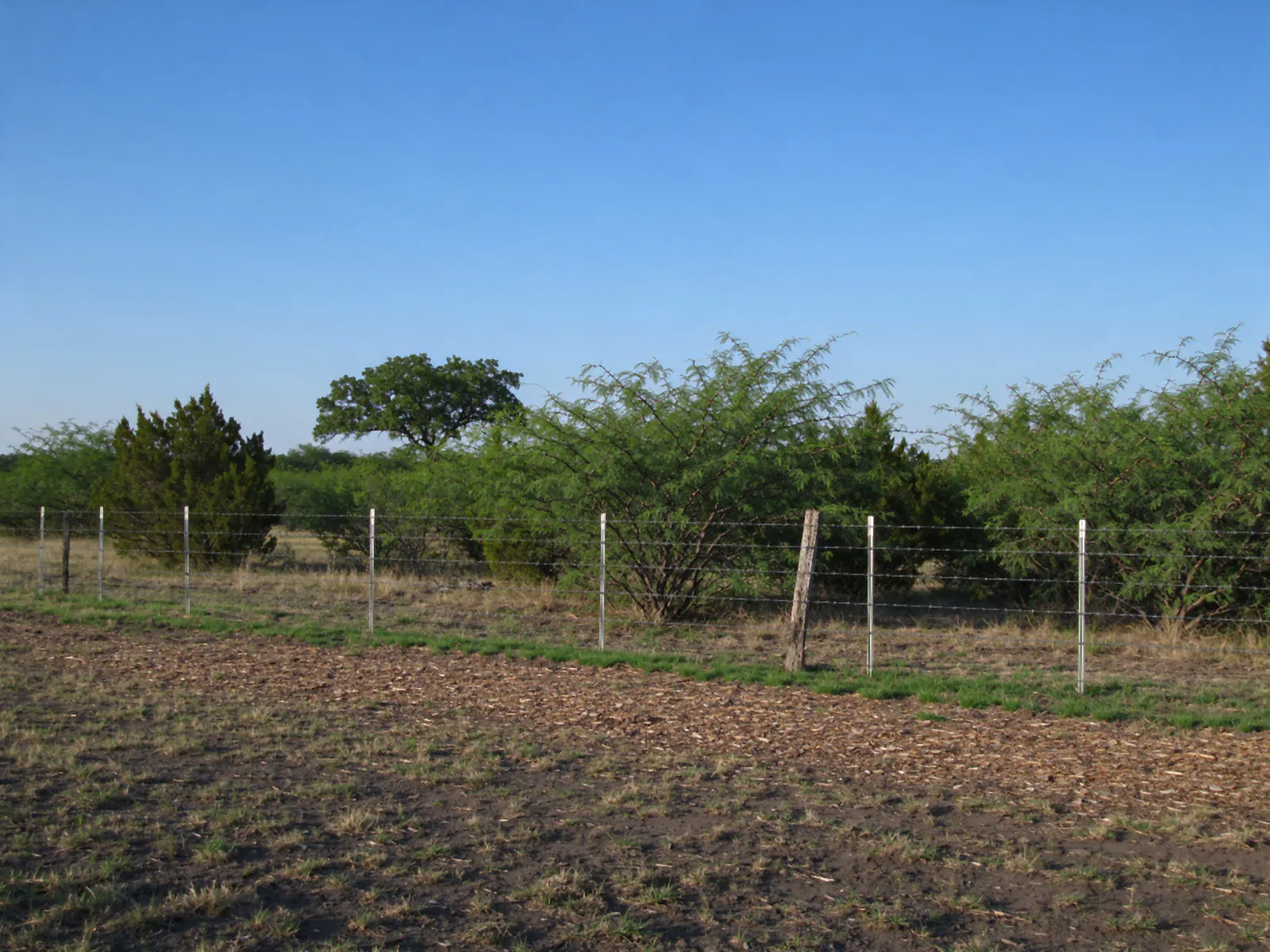
Every fall, landowners across Denton County with cedar, mesquite or brush crowding their pasture have a reason to visit the USDA Service Center: the Environmental Quality Incentives Program, or EQIP, ranks its applications in rounds, and Texas sets a cutoff for each round in the fall. Post Oak Land Clearing Denton offers and manages brush and pasture clearing across Denton and the west and north of the county, with the work done by licensed and insured contractors. This note explains how the EQIP round works, who it is for, and how it shapes the clearing itself.
What EQIP is, in one paragraph
EQIP is a USDA Natural Resources Conservation Service (NRCS) program that pays part of the cost of conservation practices on working agricultural land. For brush, the relevant practice is Brush Management, practice code 314, which covers removing or suppressing woody plants that are crowding out forage, harming wildlife habitat or contributing to erosion. Payments cover a share of the estimated cost, not all of it, and they follow a written plan and contract.
Who qualifies, and who does not
EQIP is for agricultural producers and owners of non-industrial private forest land who have an identified resource concern on the land. In practice that means a working pasture, hay meadow or woodland where brush is causing a problem NRCS recognizes. Participants must also comply with federal wetland conservation and highly erodible land provisions.
What does not qualify matters just as much. Clearing for a homesite, a driveway, a shop pad or a subdivision is not a conservation practice and is not funded, even when the surrounding land is in agricultural use. A five-acre tract being cleared to build on is outside the program; a forty-acre pasture losing grass to redcedar may be inside it.
The tax side is separate. Brush management that keeps land in agricultural use does not, by itself, change an open-space valuation, while converting land to a homesite can trigger a rollback. The ag exemption and land clearing guide covers that question.
How the yearly round works
The EQIP calendar follows a pattern rather than a single deadline, and understanding the pattern is what keeps an application from waiting an extra year.
- Applications are accepted year-round at the local USDA Service Center that serves Denton County.
- Texas sets a ranking date each fall. Applications received by that date are evaluated together and compete for the next fiscal year’s funding. Applications that arrive later move to a later round.
- Ranking uses NRCS’s conservation assessment tool and Texas ranking pools, which score how well the planned practices address the resource concern. Funding goes down the ranked list until the pool’s money runs out.
- Payment schedules update early in each federal fiscal year, which begins October 1, so the per-acre rates for a practice can change from one round to the next.
The fall date moves from year to year. Confirm the current one with the Service Center or the NRCS Texas website rather than relying on last year’s.
Pasture losing ground to brush?
Send the acreage and a few photos. The walk-through sets the method, the order of work and how it fits a cost-share plan.
The practices that touch a clearing job
Brush management is the main practice, but a clearing plan often involves several others, and each has its own requirements in the conservation plan.
| NRCS practice | Code | What it covers on a clearing job |
|---|---|---|
| Brush Management | 314 | Removing or suppressing woody plants by mechanical, chemical or combined methods |
| Woody Residue Treatment | 384 | Handling the slash: mulching, chipping, piling or burning under the plan |
| Fuel Break | 383 | Strips cleared of heavy fuel to slow a wildfire |
| Critical Area Planting | 342 | Establishing cover on bare, erodible ground after the work |
| Prescribed Burning | 338 | Planned fire, where local burn rules allow it |
NRCS publishes its own cost estimates for these practices in Texas, which it uses to set payment rates. They show how scale and method move cost. Its scenario for mechanical brush management on one acre or less estimates $536.11 an acre, of which $211.29 is mobilization, while its 120-acre scenarios run $102.83 an acre for small shrubs at medium density and $552.44 an acre for large shrubs at heavy density. Woody residue treatment runs from $144.27 an acre for under 5 tons of slash to $634.85 for 5 to 15 tons. Those are agency rate-setting estimates, not payments and not market prices, but the shape holds on private work: small tracts and heavy growth cost more per acre. The cost per acre guide gives the typical North Texas ranges for private clearing.
How cost-share changes the clearing itself
A cost-shared brush job is still a clearing job, but the plan sets some of the decisions.
Method and finish come from the plan
The conservation plan names the practice scenario: mechanical removal, individual plant treatment, or a combination. Mechanical work can mean forestry mulching, which leaves roots in the soil and a mulch layer on top, or heavier methods for large brush. The finish has to match what the plan expects, so the quote should describe the method in the same terms.
Timing comes from the contract
NRCS generally pays only for practices installed under an approved contract. Work started before the contract is signed usually loses its eligibility. That is the most expensive mistake in the program, and it is easy to make when a landowner books the clearing first and applies second.
Follow-up is part of the practice
Brush management aims at control, not a single pass. Mesquite and honey locust resprout from roots left behind, while redcedar cut below its lowest green branch does not. Plans often expect follow-up treatment, and keeping brush from growing back covers what that looks like. For juniper-heavy pasture, the cedar clearing page explains the method.
Local rules still apply
Cost-share does not override local rules. Inside Denton city limits, tree rules and the clearing and grading permit still apply, though agricultural operations are among the exemptions to the tree rules. Outside the city, Denton County sits in the Dallas-Fort Worth ozone nonattainment area, so burning slash under the plan is allowed only when no practical alternative exists, and only on a county burn day. Most plans in this area mulch or chip the residue instead. Burning brush in Denton covers that path.
What to do, in order
- Visit the USDA Service Center that serves Denton County and make sure the farm and the land are on record.
- Ask a conservationist to look at the resource concern and the brush, and to explain the current ranking date.
- Apply before the fall cutoff if the work is meant for the next season.
- Wait for ranking, an approved plan and a signed contract.
- Get clearing quotes that match the practice and method in the plan, then schedule the work.
Other programs can help in specific cases, such as the Texas A&M Forest Service grants for wildfire fuel reduction and invasive plants. The cost per acre guide lists them with their patterns, and what a land clearing quote should include helps line a quote up with a plan.
When your plan is in hand, Call (940) 204-6191 or request an estimate with the acreage, the practice scenario and a few photos of the brush.